Creating Character Histories that Drive the Plot
When I spoke at When Words Collide 2025, I talked a lot about knowing a character’s motivation. In fact, that was the entire point of my talk. Trauma was a large part of the conversation. Everything is trauma! Or, at least it certainly seems that way.
How Past Trauma Shapes Present Goals
The important thing to remember is that your character’s backstory isn’t just information. It is a source of internal conflict, and it may be the main source of internal conflict. If you’re already a client of mine, you know that I talk a lot about the wound (hidden or not). Even if you’re not a client of mine, you’re probably familiar with that term. If not, the wound is the past trauma or failure that has created the character’s present flaws, fears, and driving goals. (Guess what? This also exists in memoir!)

Let’s look at The Great Gatsby for an example. Fun fact: The Great Gatsby is definitely not my favourite book and when I was in high school, I had to read it twice! Gah!
Jay’s wound is the loss of Daisy B because of his poverty and her decision to marry rich. It led to his psychological wound of abandonment and social inferiority. It then leads to his desperate attempt to heal the wound by amassing his wealth—by any means necessary—, moving close to Daisy so she can’t miss him, so he can lure her back and convince Daisy to tell Tom she never loved him. Totally emotionally sound logic.
The False Belief
This is another term you’ve probably heard. This is often borne of the wound. The wound festers and leads to the character having a false belief about themselves or the world. The character’s journey/arc will then be about confronting, challenging, and overcoming the false belief.
I’ll provide two examples because there’s two ways to address the false belief. One can lead to tragedy and one to triumph.
In Jay Gatsby’s case (tragedy, of course), his false belief is that if he gets the wealth—as I mentioned—he can get Daisy to say she never loved Tom and then go back to Jay as if no time had changed. He believes without a shadow of a doubt he can repeat a moment from five years ago. It goes horribly wrong.
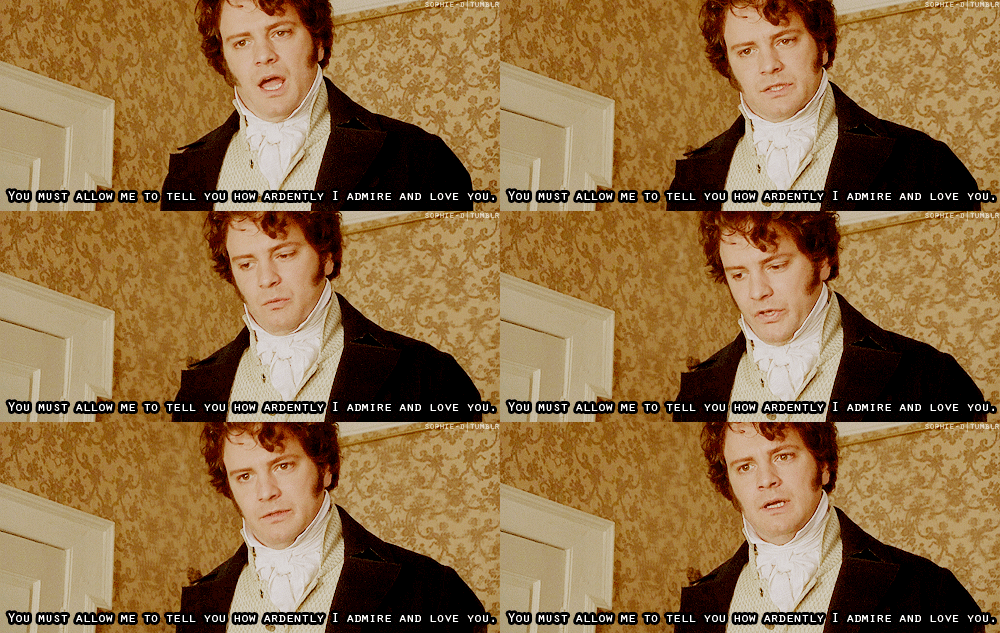
Our girl Elizabeth Bennet’s false belief is that her initial judgement of others is infallible. As we know, she sees Mr. Darcy as arrogant, rude, and selfish and is convinced that Wickham is a victim of Mr. Darcy. Thankfully, she learns.
How a Single Event can Affect the Plot
The most effective backstory won’t just inform a single character; it will affect the entire narrative of your story. Gotta love that ripple effect! The past event you create can lead to a present conflict, introduce a new character, or create a new antagonist. Maybe it can do it all!
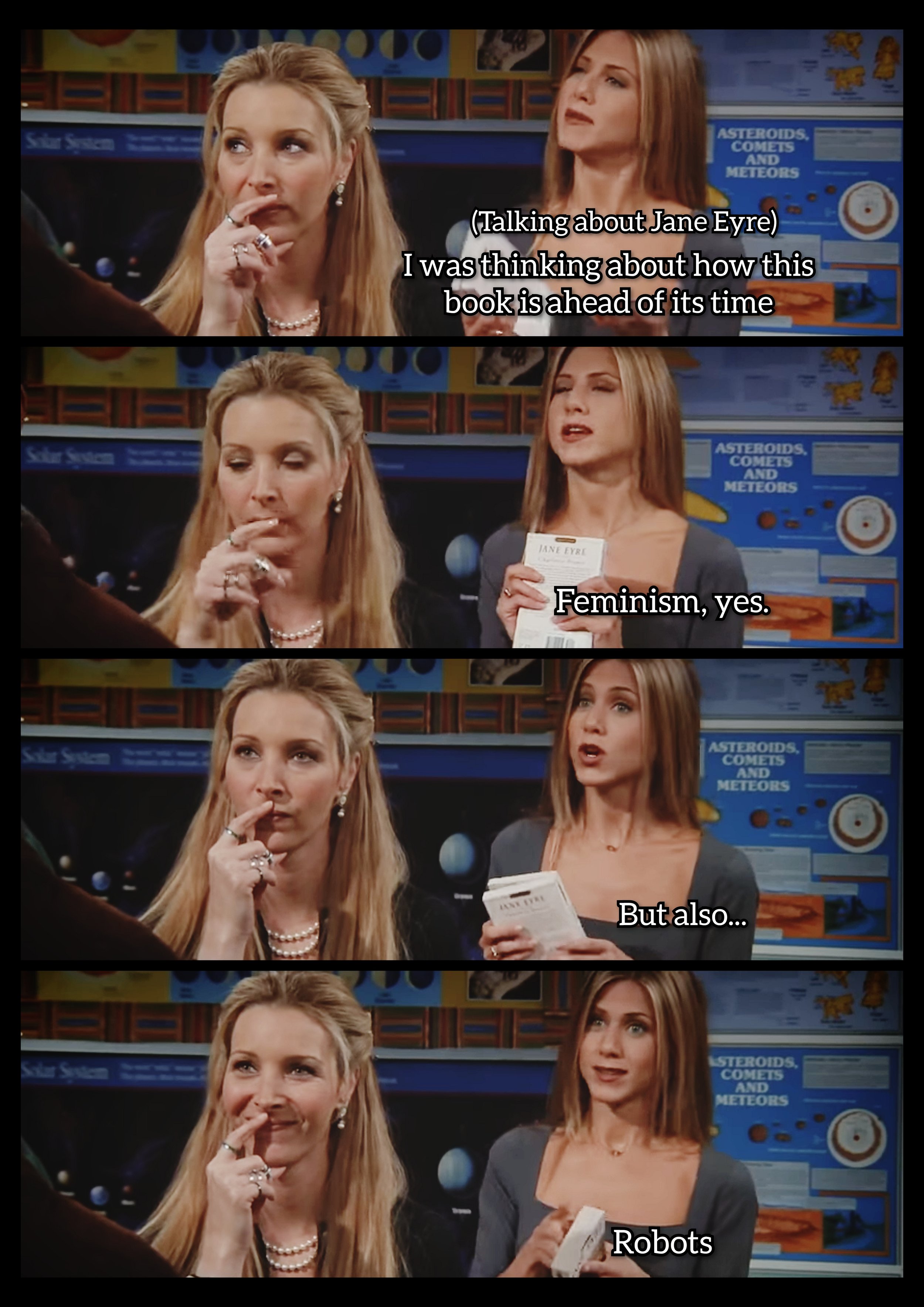
Let’s look at Jane Eyre. No, not Jane specifically (though it definitely affects her!); we’re taking a look at Rochester’s backstory. Long before Jane arrives, Rochester married Bertha who then becomes “mad”. (She was Creole and her heritage was used by Rochester and his family to dehumanize her. She had the absolute gall to have strong emotions which was weaponized against her.) His totally reasonable response to this is to keep her locked away in a secret attic room. This decision is the engine for all the tension in the main narrative. (We can like the book and still acknowledge Rochester is a giant dick.)
As you see, there is a loooot of juicy, meaty goodness that can come from a compelling backstory. Even though all of it might not be explicitly mentioned in the narrative, the effects definitely should; and you should be considering it, maybe even before you write your main plot points.