How to Write a Believable Antagonist
One of my biggest pet peeves in stories is that the villain is one-dimensional. They’re the bad dude because the story needs one. Come on, give me more than that! Why are they bad? Having a believable antagonist make the story that much richer. It also makes me question if the actions of the protagonist are the right actions. Hello, nuance!
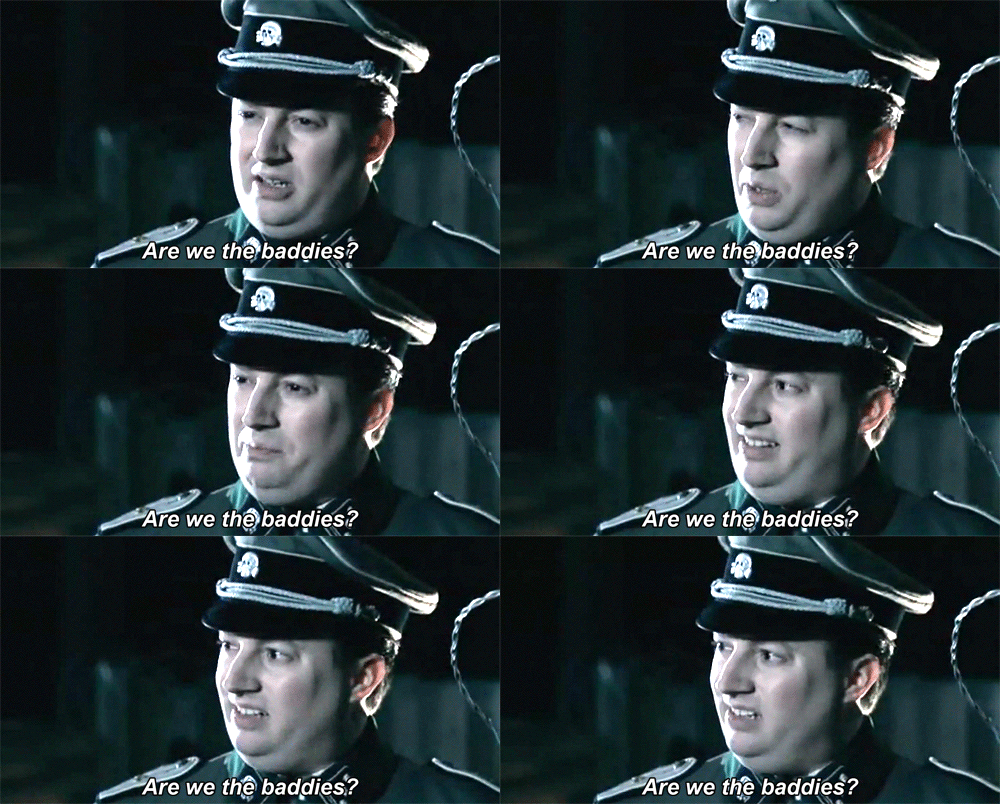
Today, I’m talking about the foundations for creating a believable (and compelling) antagonist.
Let’s get into it.
Give Your Antagonist a Clear Goal
If I’ve said it once, I’ve said it a thousand times (and I’ll probably say it a thousand times more): a good antagonist—no, a great antagonist isn’t evil for the sake of being evil. They need to have a clear goal that puts them in direct conflict with the protagonist.
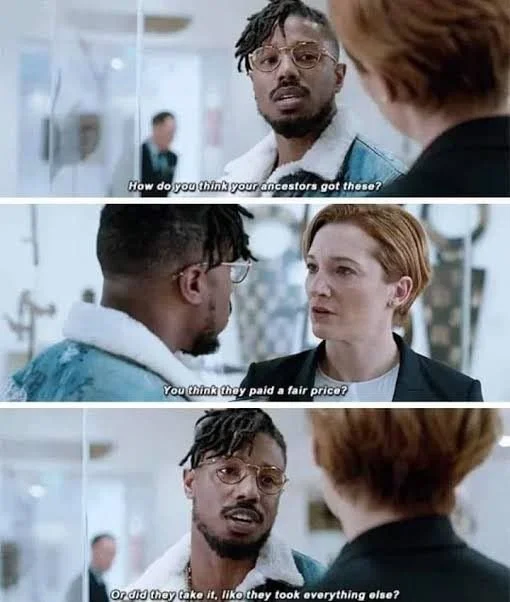
Killmonger from Black Panther is one of my favourite examples to use. He wanted a reversal of racial injustice. But he also wanted revenge, and not just against the world. He wanted revenge against his uncle (and by proxy T’Challa), who killed his father; and against Wakanda, the country that was kept from him—who he felt abandoned him. That revenge overshadowed the very legitimate desire for racial justice, which led him to ultimately become the villain.
His goal made him proactive, which meant T’Challa had no choice but to be reactive. Keep that in mind: antagonists are proactive due to their goal.
How Does Your Antagonist Reflect Your Hero?
Think about your antagonist as being the foil to your protagonist. You have the Joker to your Batman; the Moriarty to your Sherlock. Both characters will share similar traits, but their methods and motivations are different. Moriarity uses his intelligence for crime; Sherlock uses his intelligence to solve crime. (I recognize that’s a very simplified take.) You want to use the contrast to highlight the protagonists’ strengths and weaknesses; the goal is to make the conflict more personal.
What is your Antagonist’s Motivation?
We talked about goals, so let’s break that down a little more. A believable antagonist is justified in their actions. They are the hero of their own story. I’m clearly on a Marvel kick, so let’s continue. Let’s talk Thanos. He saw his world destroyed because of over-population and truly thought the only way to do that was getting rid of the surplus population. (Yeah, I cribbed that from Mr. Scrooge.) He thought because it’s a dispassionate decision, it’s fine. Because it wasn’t decided by class, race, gender, or species that all was well. His moral code is clearly on a different level than everyone else’s.
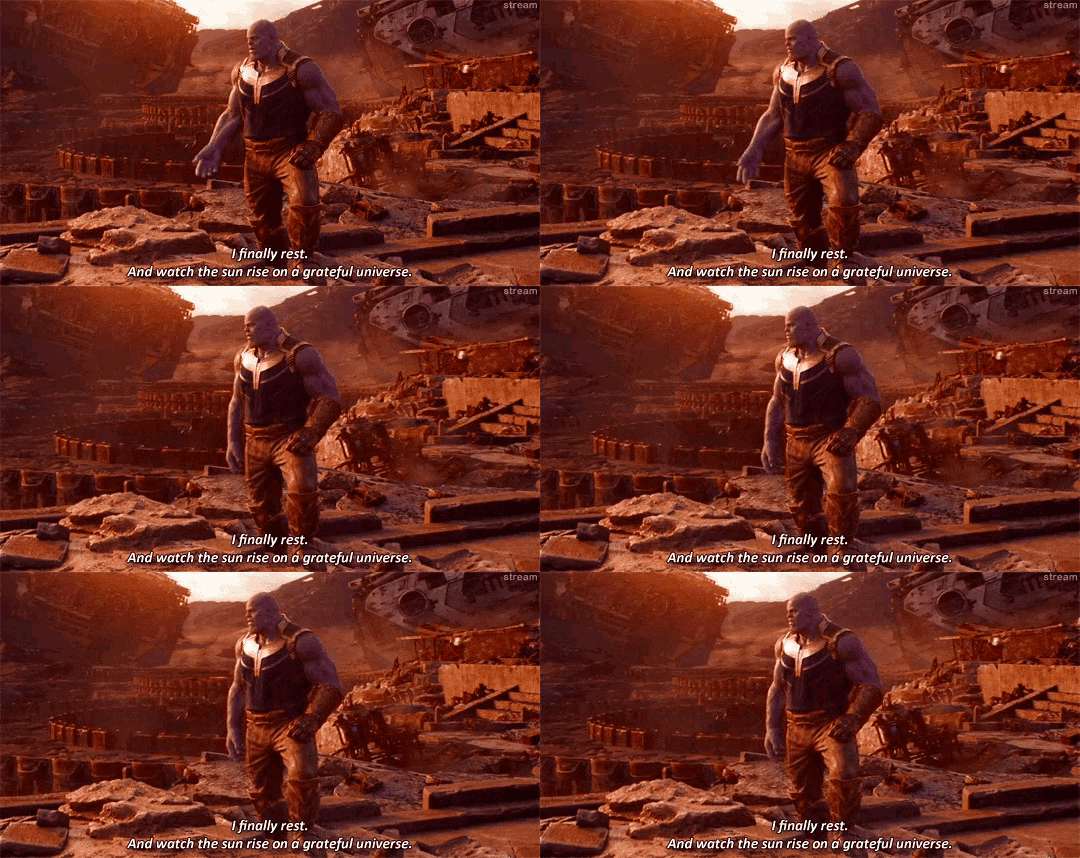
Ask yourself why the antagonist does what they do. It shouldn’t just be to trip up the protagonist.
To sum-up: give your antagonist a clear goal, a connection to the hero, and a solid motivation.