5 Signs Your Manuscript Needs a Developmental Edit
When it comes to editing, a developmental edit is the larger investment compared to a copyedit and a lot of authors take a look at the price tag and decide their book can stand on its own without it. Instead of looking at the cost of a developmental edit, authors should look at the 5 signs your manuscript needs a developmental edit.
1. Your Characters Haven't Changed
We read a book because we want to see the journey the characters go on. Their perspective on life and on things should be different than it was at the start of the book. If there is no change, why are we following them? What makes their story so important?
2. Your Characters All Sound the Same

We are all unique butterflies and so are your characters. Sometimes we take on words and phrases that our friends say frequently (I say "sounds Gouda" instead of "sounds good" and a lot of my friends say that to me now, too). Those similarities end there. If your characters do not have unique personalities, your manuscript will only have a single note.
3. Your Characters Don't Know Why (Because You Don't)

If you don't have #3, you won't have #1. If your characters don't know why they're making the choices they are, the readers will be less inclined to follow along. Think about this: tropes abound in writing. There's nothing wrong with tropes – they give us familiarity. Readers know what they're getting into; but if characters do what they do only because of the trope, then your manuscript is missing something vital.
Keep in mind, your characters might not know why at first – and part of their journey is unpacking their emotional baggage that keeps them going back to the harmful, the toxic, the whatever. Even if your characters don't know why, you should!
4. You're Telling Everything (And Showing Nothing)

"Show, Don't Tell" is probably one of the most cliché thing an editor can say, but it's cliché for a reason! How many times have you been absolutely immersed in the world of a book? Could you hear the birdsong? Smell the exhaust fumes? Taste the cherry Chapstick? Feel the calloused fingers of the grumposaurus as he tenderly caresses your cheek? (Okay – that one's just for me.) Your manuscript assessment should engage all the senses of the readers. But here's the trick: you have to be careful it doesn't slow down the pacing.
In addition to engaging all the senses, you need to show us how things feel in the body. What does a heartbreak feel like? What does anger feel like? What does fear feel like? Don’t just say a character feels angry. Give them more personality by telling us how they feel anger. Do they rub their tongue between their molars? Does a buzzing reverberate in their head so it drowns out whatever else is being said? This brings us to my final sign:
5. You Have Too Many Cliches
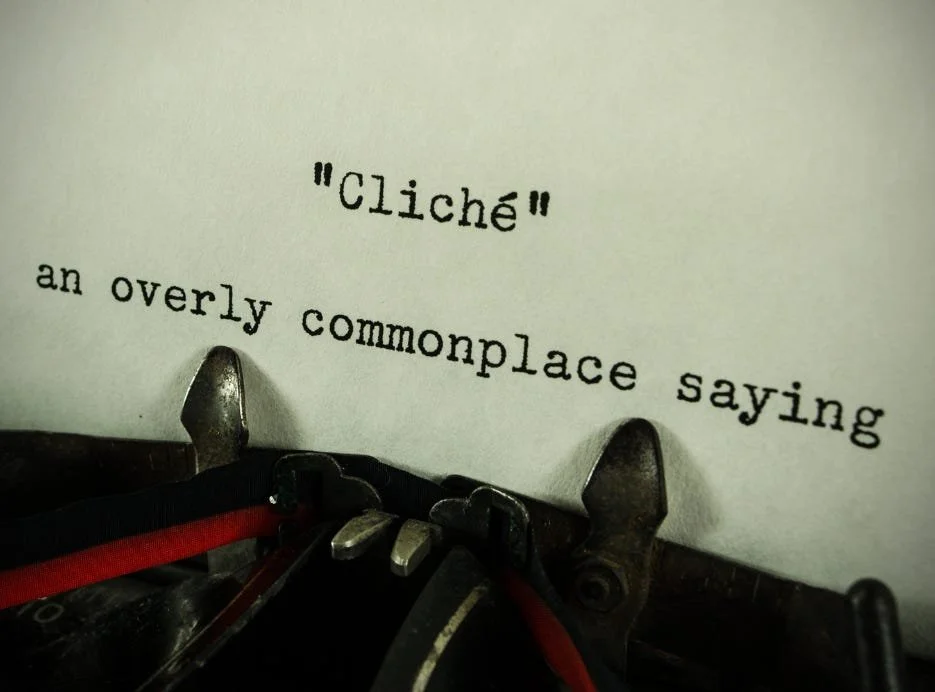
I know I said earlier that cliches exist for a reason. But also, you need to avoid cliches in your writing. Here are some of my pet peeve cliches:
· They let go of the breath they didn't know they were holding
· They thought to themselves
· When characters use their romantic partner's full name
· Non-white characters described using food (mocha, chocolate)
If you have too many cliches, soon that's all your reader will be able to focus on — no matter how brilliant the story is!
Tropes can also be considered cliché, but just remember what I mentioned about motivation. There has to be a reason why. There's also nothing wrong with flipping a trope on its head!
Before I do a developmental edit for a client, I always do a manuscript assessment. While the assessment largely benefits the author, it also lets me know what the best next steps are for an editor. If you've read these 5 signs and know there's at least one of them in your manuscript, an assessment is a good step toward eliminating those problem areas and strengthening your manuscript.
If you think you’re ready for a manuscript assessment, let’s talk.