Unpacking the Hero’s Journey
What makes certain stories feel universally powerful? Though the meat may look and taste differently from story to story, their bones are the same. I’m going to unpack the monomyth, also known as the Hero’s Journey. Let’s get into it!
The term “monomyth” refers to a shared narrative found across cultures and time periods. Joseph Campbell popularized the Hero’s Journey (which monomyth is synonymous with) in his book The Hero with a Thousand Faces. Stories following this narrative allows author to create characters that resonate, plots that compel and story arcs that satisfy.
Deconstructing the 12 Stages
I. The Ordinary World – this sets the scene and the hero’s initial state of being.
Why it’s important – In order for the reader to see the hero’s growth throughout the book, they need to see where the hero started.
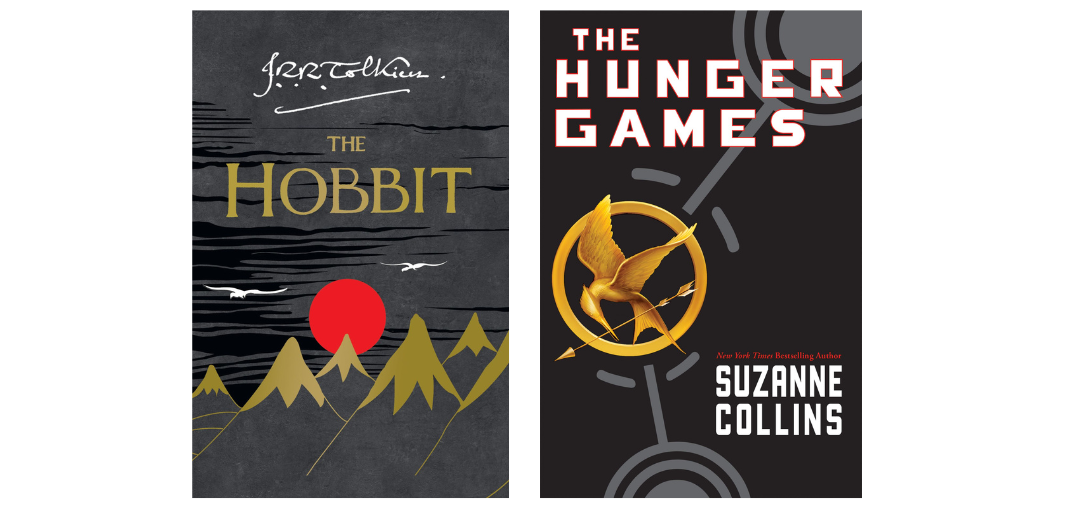
Simply put, this is the world the hero lives in every single day. In The Hunger Games, this is Katniss’ life of hunting, spending time with Gale, and keeping her family fed. In The Hobbit, Bilbo is living an uneventful but comfortable life in the Shire. Second breakfast, anyone?
What Can You Consider: Think about how the hero’s ordinary world affects them. Are they satisfied or dissatisfied? What makes them comfortable or uncomfortable? Is it their relationships, their work, or the way they live? Remember, a nuanced character doesn’t have silos. Everything is connected somehow.
II. The Call to Adventure – this is what disrupts the hero’s every day life.
Why it’s important – something needs to send the hero on a different path. They need a reason to break free of their ordinary world.
This stage is what gets the story going. The Hunger Games has Katniss volunteering as tribute in her sister, Prim’s, stead. Gandalf and thirteen dwarves arrive in the Shire and invite Bilbo to join them to reclaim their treasure from Smaug.
What Can You Consider: Katniss never dreamed that Prim would be chosen as tribute because statistically speaking it was low risk. Katniss, being older, had more entries with others having even more. All the same, Prim being chosen was Katniss’ worst nightmare. Think about what the character fears. How can the call to adventure play into that?
III. Refusal of the Call – Hero’s hesitation
Why it’s important – the hesitation is another way to set up the eventual growth of the hero.
Despite the hero recognizing the importance (or fun) of the call to adventure, they are still hesitant to leave their ordinary world. Bilbo is happy with his peaceful life and he’s a hobbit. As a race they are less inclined toward adventure.
What Can You Consider: Are there outside influences (as well as inside) that contribute to the hesitation?

IV. Meeting the Mentor – guidance and support
Why it’s important – the hero can’t start on their own. Even if they do have the skills required, they don’t/aren’t able to recognize them.
The mentor is a very important element and creates excellent dynamic between them and the hero. Haymitch and Katniss do not get along. It takes them a very long time to even understand each other’s viewpoint (although Haymitch is much wiser than Katniss thinks he is). Haymitch is also very flawed which creates nuance. Gandalf is encouraging and a much more golden retriever kind of mentor.
What Can You Consider: Is the mentor the person who introduces the call? Or is the mentor and the hero forced together?
V. Crossing the Threshold – Hero commits to the adventure
Why it’s important – if the hero doesn’t commit, where’s the story?
For whatever reason the hero decides to go on the quest/adventure. Bilbo leaves the shire with the dwarves. Katniss is taken to the Capitol.
What Can You Consider: Will your character cross the threshold by choice, by force, or by necessity?
VI. Tests, Allies, and Enemies – challenges and relationships in this new world.
Why it’s important – The hero doesn’t jump to their final challenge the instant they leave their ordinary world. They must learn how to do things differently.
This typically is a big chunk of the story. After all, there’s a lot involved in this stage. There are tests that make them confront their previous way of life. There are people who make them confront past and present relationships. Katniss befriends Rue and has to address her complicated emotions around Peeta. She also goes through a lot of ordeals adjusting to the Capitol, training for the Games, and participating in the Games. Bilbo faces trolls, goblins, and wargs and meets Elves and a skin-changer.
What Can You Consider: How does this stage affect the character in both positive and negative ways? Do they trust who they shouldn’t? Do they not trust who they should?
VII. Approach to the Inmost Cave – nearing the central ordeal
Why it’s important – this builds tension and indicates the hero has committed fully to the adventure. There’s no turning back now. They’re on a collision course with their greatest fear/challenge.
Tension keeps readers turning the page—even when they probably should be going to bed. Only a few tributes, including Katniss and Peeta remain. Bilbo and co. have reached Smaug’s lair and Bilbo has the task of going in first.
What Can You Consider – What does the hero need to confront in order to approach this inmost cave? What are the inward battles? What are the outward battles?

VIII. The Ordeal – the major crisis, a life-or-death situation
Why it’s important – this is the confrontation, what the story has been leading to. What will the character do in the face of this?
Bilbo confronts Smaug and his courage and wit is tested. After the rules of the Games are changed to allow two survivors then change back to allow only one, Katniss is faced with the potential loss of Peeta. Her will to survive (physically and emotionally) is her major ordeal.
What Can You Consider: What are the consequences if the hero walks away from the ordeal before going through it? Is that even possible? What would the outcome be if they failed? Do they walk away from the ordeal whole?
IX. The Reward (Seizing the Sword) – the outcome of the ordeal; the gain
Why it’s important – if there’s no gain, what’s the point of the pain?
Now that the Ordeal is over, what’s next? Katniss and Peeta are joint victors — something that was impossible. It’s a victory against the Capitol’s control. Bilbo gets the Arkenstone and other treasures.
What Can You Consider: How do the gains affect the hero? Is everything honky dory?
X. The Road Back – journey toward ordinary world.
Why it’s important – The road back is seen through different eyes now that the hero has changed.
There’s not usually a magic totem that allows the hero to transport back to their ordinary world. Bilbo’s road back has danger just like the road there (the Battle of the Five Armies for one). Katniss and Peeta (specifically Katniss) face the political repercussions of their defiance, not to mention the trauma of what they endured.
What Can You Consider: Be careful not to pile on the trauma Olympics.
XI. The Resurrection – the ultimate test.
Why it’s important – this is often the most transformative stage in the journey. The hero has faced their greatest fear and survived.
This is the proof of the hero’s transformation. They aren’t the same person they were. Katniss is the reluctant symbol of the rebellion. Bilbo has found courage and resourcefulness.
What Can You Consider: If the character hasn’t changed, why should the reader want to read about their journey?

XII. Return with the Elixir – hero’s transformed return
Why it’s important – This shows how their transformation affects their life in the ordinary world.
This isn’t always a happy ever after. Sometimes it’s a happy for now, or a will be happy soon (especially if it’s in a series). Katniss now knows there are seeds of rebellion growing throughout Panem which will result in a larger uprising. Bilbo has material wealth, but probably more importantly has a new understanding of himself and the wider world.
What Can You Consider: Is your story a standalone, or is it a part of a series? If it’s the latter, then the Return with the Elixir might look a little different.
Beyond the Stages
As with anything to do with art, there are no rigid formulas. You can adapt, combine, and subvert. Subversion of tropes are chef’s kiss. While the hero’s journey follows a physical path, it often mirrors internal transformation and growth. Don’t neglect the inward for the outward (and vice versa). Remember, the hero’s journey is not found in one specific genre. Sure, it’s common among fantasy and sci-fi, it’s also found in The Shawshank Redemption, Wild, and The Alchemist (to name a few).