Understanding Genre Conventions So You Can Understand Your Readers
Have you ever read a book that you know was technically well-written but it still fell flat? Or maybe there’s a book that might not win any big prizes but that story just resonated with you for months or years after you read it? It might be because the author understood their genre conventions.
I like using the word “conventions” over rules, because in terms of art, there really shouldn’t be any rules. However in order to break conventions, you first need to understand them. Mastering the various conventions—especially the conventions of the genre you’re planning on writing can lead to engaged readers, higher completion rates of your WIPs, and dare I say it, a more successful writing career!
What Exactly Are Genre Conventions?
Conventions are more than just cliches or tropes. We’re talking the foundational elements, expectations, and structures that readers subconsciously look for. When your book reaches prolific readers, they know instinctively when something is off.
The Plot
With every genre, there are the expected story beats, pacing, types of conflict, and resolution. Fantasy has its call to action, its meeting of the friends and foes, and more. Romance has its third act break up, and it’s happy ever after (or maybe a happy for now).
The Characters
Readers are looking for the archetypes. The guide, the put-upon detective, the eager newbie. They’re also looking for good character arcs. They want to see the growth of the character from the beginning of the book to the end. (And, when I say understanding conventions to bend conventions, what’s the opposite of growth? What happens when we find our protagonist going from good to bad? That’s some good subversion!)
The Setting
What kind of setting does a romantasy typically have? How about a horror? A sci-fi? Dystopian?
Themes
Typical themes in litfic include death and morality; and power and corruption. Themes in romance include the complexities of relationships and emotional connections. Themes in horror include the fragility of the human mind, social anxieties, death, and the unknown.
Styles
Each genre will have its own style. The way a romance is narrated will be different than a dystopian book. A YA will have different linguistic conventions than a literary fiction.
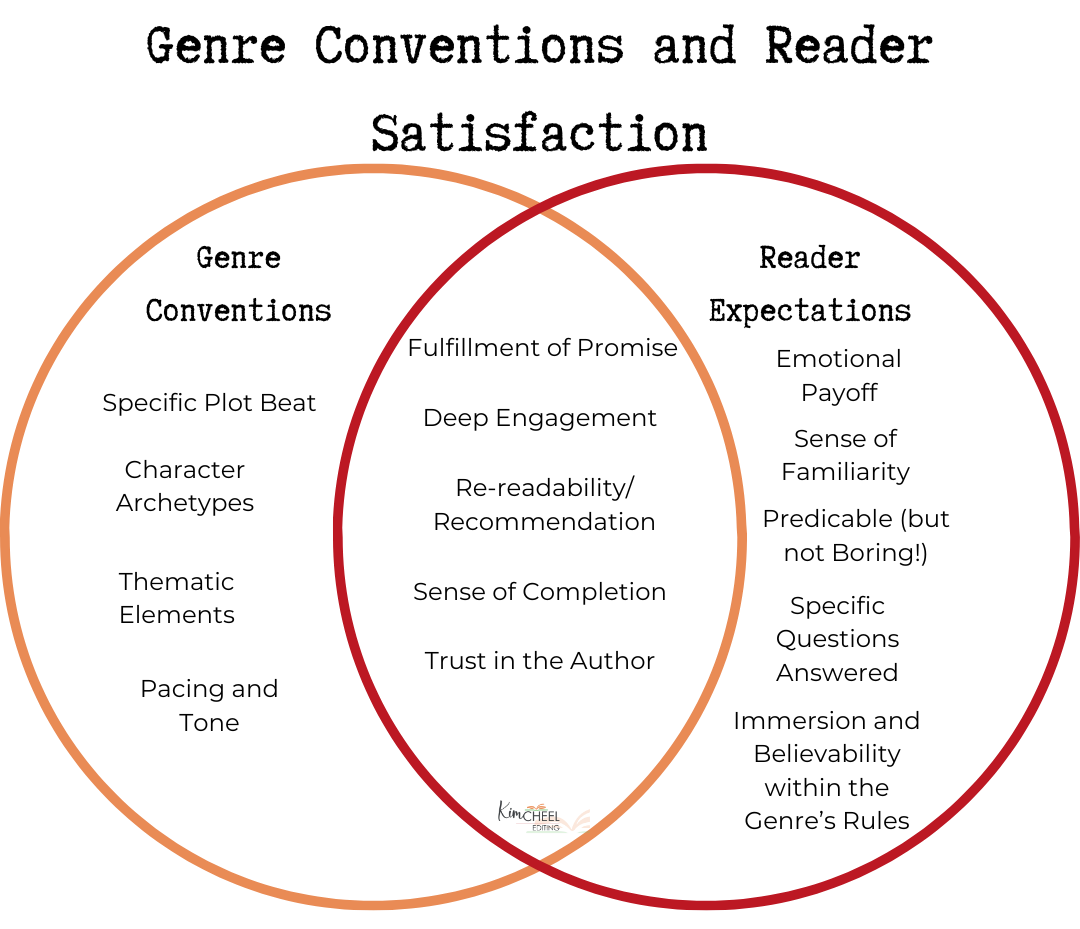
Deconstructing Reader Expectations
So how can these conventions translate into what the reader wants or needs from the story? For example, how can you make sure the reader gets thrilled from a thriller, or experiences wonder from a fantasy? When a writer fails to meet the core expectation, chances are that reader won’t be exploring that author’s catalogue again, nor will they be recommending their books to friends. Conversely, when a reader is satisfied; when their needs are met, that usually means that author has a fan for life.
Let’s look at a couple different genres and how they look different.


How to Use Genre Conventions Strategically
Meet Expectations, but Don’t be Boring. Remember that when you meet expectations (even when those expectations are subverted), it provides comfort and accessibility.
Subvert with Purpose. When you do subvert, it must have a clear purpose that enhances the story. Don’t frustrate the reader!
Identify your Niche. When you clearly understand your genre, you’ll be able to better position your work to find your ideal readers.
Genre Blending. You can blend genres (look at romantasy!), but the core conventions of the dominant genre still applies. You still have to know which rules (conventions) you’re playing by.
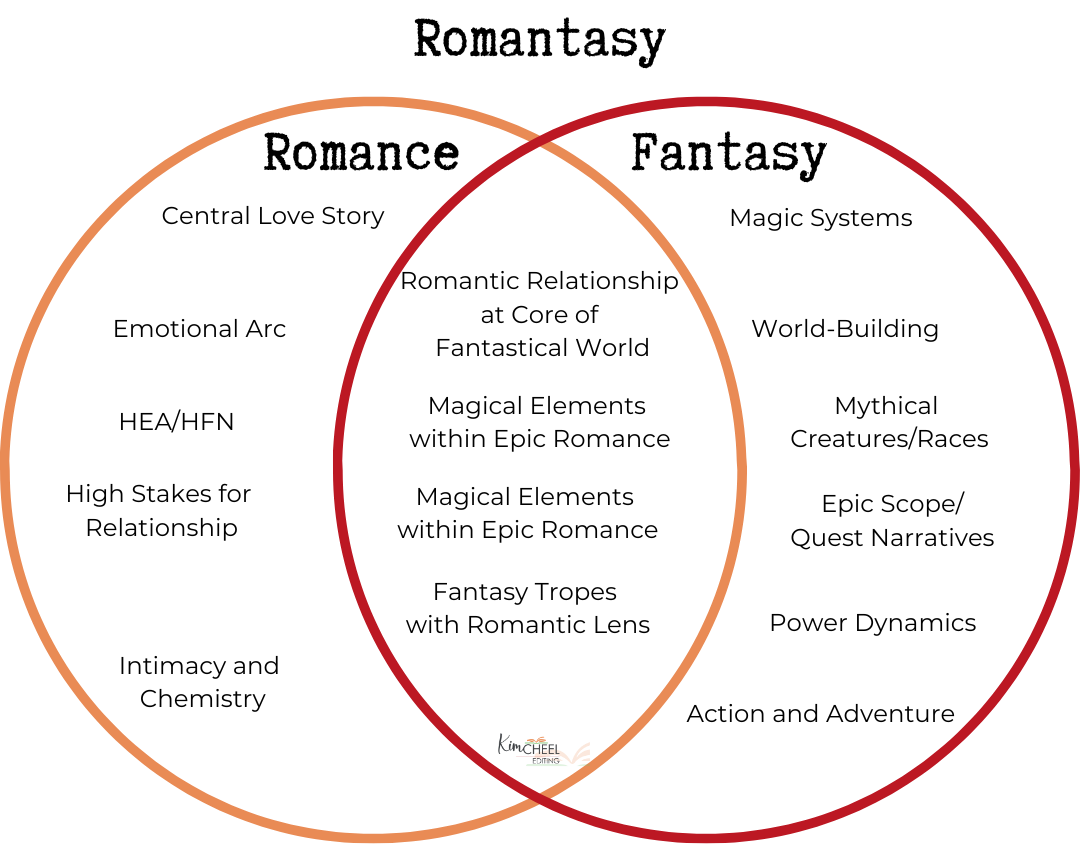
Exercise Your Mind!
Think of one of your favourite books. What genre is it? What 3-5 conventions does it nail? What, if anything, does it subtly subvert?
Don’t be afraid to read books in your genre and outside your genre! In fact, if you’re not reading, what are you doing? You can’t write without reading! Embracing genre conventions will empower you to connect deeply and effectively with your audience.